
House Shot Oil Pattern
House Shot Oil Pattern - Most house shots cover fewer boards. Web the most commonly used oil pattern in bowling centers is the ‘house pattern”. It is a simple pattern with a limited amount of oil, making it a relatively easy pattern to play. Web knowing the pattern distance can help determine where the ball needs to be when it reacts toward the pocket. Web to achieve consistent success, choosing the right bowling ball tailored to the lane conditions is key. Web in terms of oil patterns, there are three factors that determine how your ball will react to the lane: A perfect 300 game is achieved by knowing how to make the right moves at the right time, not just repeating shots. A house shot is calibrated to turn bad throws into okay throws and okay throws into strikes. This is called the 10th board on the bowling lane. Web in this video, you will learn how to hook the ball, make adjustments, and use proper strategies to shoot higher scores! Learning how to bowl on house shots is extremely important for. Web often used at recreational bowling alleys around the world, house oil patterns are designed to help beginner bowlers find the pins and get on the board. Web in terms of oil patterns, there are three factors that determine how your ball will react to the lane: House patterns vary from alley to alley, but the general idea is very much the same — more oil down the middle of the lane, less oil to the side. Web oil patterns that cover fewer boards from the low point to high point tend to be easier than ones that cross more boards. Web some of the main things to look at on the oil pattern sheet are the pattern length, total volume of oil, the 2 to 2 loads and the ratios. The “house shot,” a standard oil pattern found in most bowling alleys, presents a unique challenge that demands the perfect blend of. This gives you more friction to the outside (free hook) and more hold toward the center, which helps funnel the ball to the pocket. Most house shots cover fewer boards. Web to achieve consistent success, choosing the right bowling ball tailored to the lane conditions is key. In a typical house pattern, the lane is oiled down in a straight pattern, with the oil concentrated down the middle of the lane and scantily applied along the edges of the lane (near the gutters). Web oil patterns affect the bowling balls reaction as it goes down the lane and you need it to help control how much your. Web the type of oil pattern used will determine how the ball will react as it rolls toward the pins. Web in terms of oil patterns, there are three factors that determine how your ball will react to the lane: Typically, the length of oil is in the range of 38 to 41 feet. There are many types of house. Web the general rule for a house shot oil pattern is that it has to be 32 feet in length, and the oiling machine will buff it up to 40 feet. This is called the 10th board on the bowling lane. That is just enough oil to help you have the perfect shot with your ball hooking at the perfect. Typically, the length of oil is in the range of 38 to 41 feet. Here are some tips for common problems with patterns which should help you make proper adjustments. A perfect 300 game is achieved by knowing how to make the right moves at the right time, not just repeating shots. But with the higher friction terrain conditioner confined. Web oil patterns affect the bowling balls reaction as it goes down the lane and you need it to help control how much your ball hooks and to help you strike consistently. Web the most commonly used oil pattern in bowling centers is the ‘house pattern”. Web to achieve consistent success, choosing the right bowling ball tailored to the lane. A perfect 300 game is achieved by knowing how to make the right moves at the right time, not just repeating shots. There are many types of house shots, the main thing that makes them easier is the high volume of oil towards the center of the lane and less oil towards the outside (oil ratio). Web modified house shot. Typically, the length of oil is in the range of 38 to 41 feet. The length of the pattern, the volume of oil, and the ratio of the oil on different parts of the lane (the center of the lane to the outside). In a typical house pattern, the lane is oiled down in a straight pattern, with the oil. Web to achieve consistent success, choosing the right bowling ball tailored to the lane conditions is key. Web oil patterns affect the bowling balls reaction as it goes down the lane and you need it to help control how much your ball hooks and to help you strike consistently. In a typical house pattern, the lane is oiled down in. Web in terms of oil patterns, there are three factors that determine how your ball will react to the lane: Web in this video, you will learn how to hook the ball, make adjustments, and use proper strategies to shoot higher scores! Web to achieve consistent success, choosing the right bowling ball tailored to the lane conditions is key. It. A house shot has a 10:1 oil volume ratio that includes a high volume of oil in the middle of the lane (2nd arrow to 2nd arrow) and a very low volume of oil on the outside parts of the lane near the gutter. Web to achieve consistent success, choosing the right bowling ball tailored to the lane conditions is. There are many types of house shots, the main thing that makes them easier is the high volume of oil towards the center of the lane and less oil towards the outside (oil ratio). Web when you bowl league or recreation, likely the oil pattern that is applied to the lane surface is a house shot. It is a simple pattern with a limited amount of oil, making it a relatively easy pattern to play. Web the general rule for a house shot oil pattern is that it has to be 32 feet in length, and the oiling machine will buff it up to 40 feet. A house shot has a 10:1 oil volume ratio that includes a high volume of oil in the middle of the lane (2nd arrow to 2nd arrow) and a very low volume of oil on the outside parts of the lane near the gutter. Since house shots have dry outsides, we want to find out how far these dry outsides extend. Web oil patterns affect the bowling balls reaction as it goes down the lane and you need it to help control how much your ball hooks and to help you strike consistently. (but not limited to this) a typical house shot has a ratio of say 10:1, a sport shot has a ratio of 3:1 or less. Web the typical bowling house shot pattern is the most basic and commonly used oil pattern in 10 pin bowling. Web a house shot has a 10:1 oil volume ratio that includes a high volume of oil in the middle part of the lane (2nd arrow to 2nd arrow), and a very low volume of oil on the outside parts of the lane near the gutter. Web oil patterns that cover fewer boards from the low point to high point tend to be easier than ones that cross more boards. The “house shot,” a standard oil pattern found in most bowling alleys, presents a unique challenge that demands the perfect blend of. This gives you more friction to the outside (free hook) and more hold toward the center, which helps funnel the ball to the pocket. Here are some tips for common problems with patterns which should help you make proper adjustments. This is called the 10th board on the bowling lane. While it might vary slightly from house to house, the general idea is the same: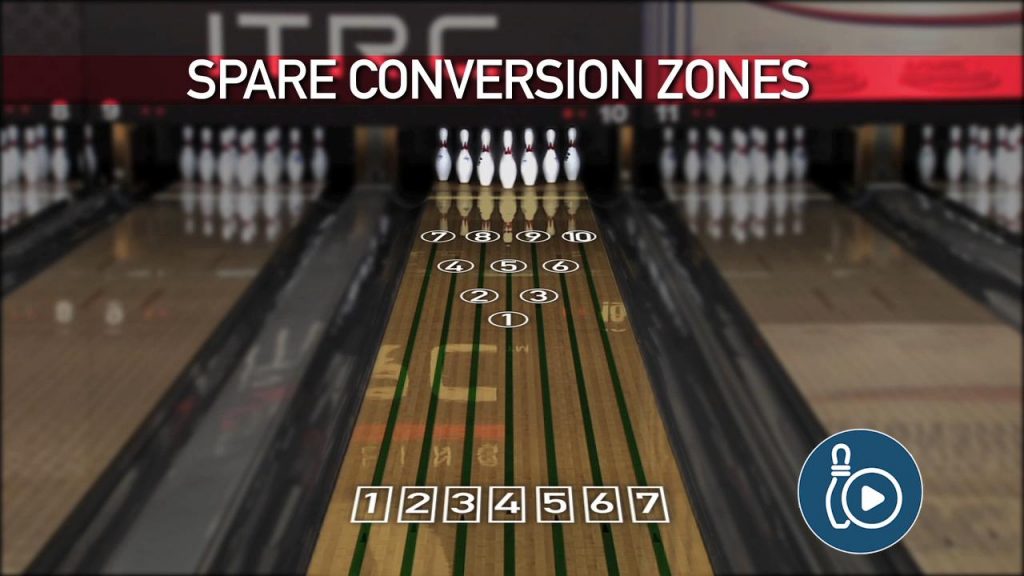
Bowling House Shot Recognizing Oil Patterns National Bowling Academy
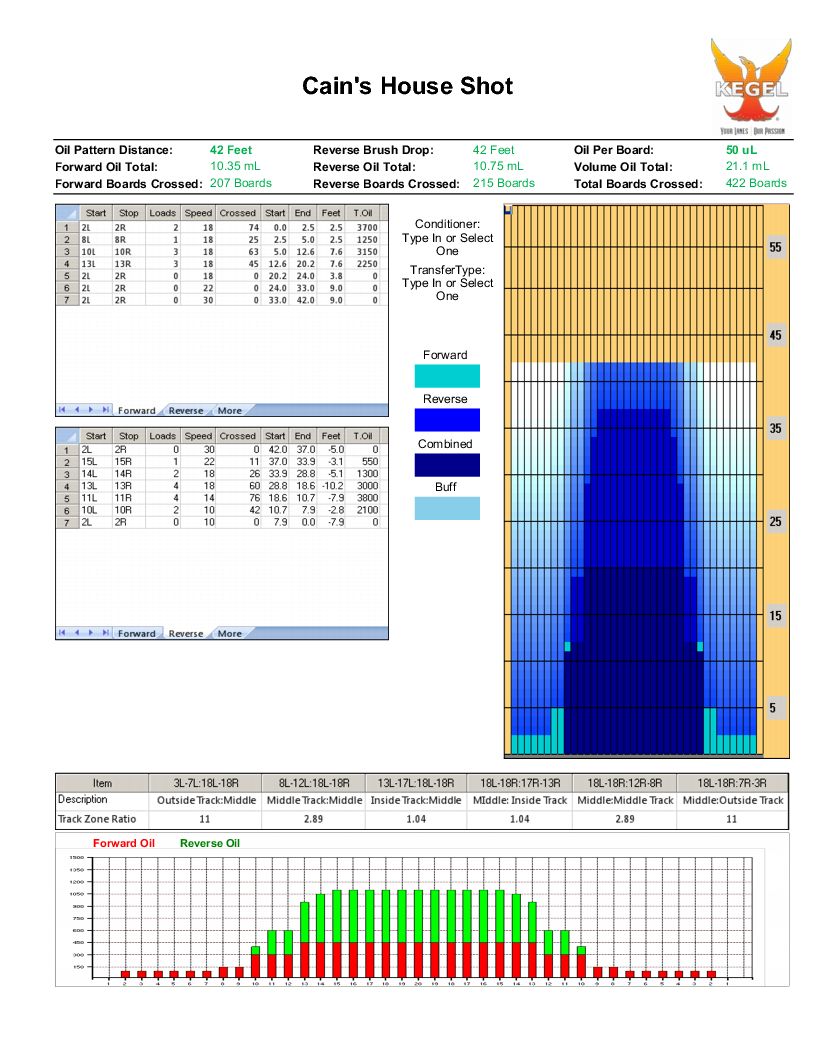
League Oil Pattern Cain's Lanes Bowling Center Manheim PA
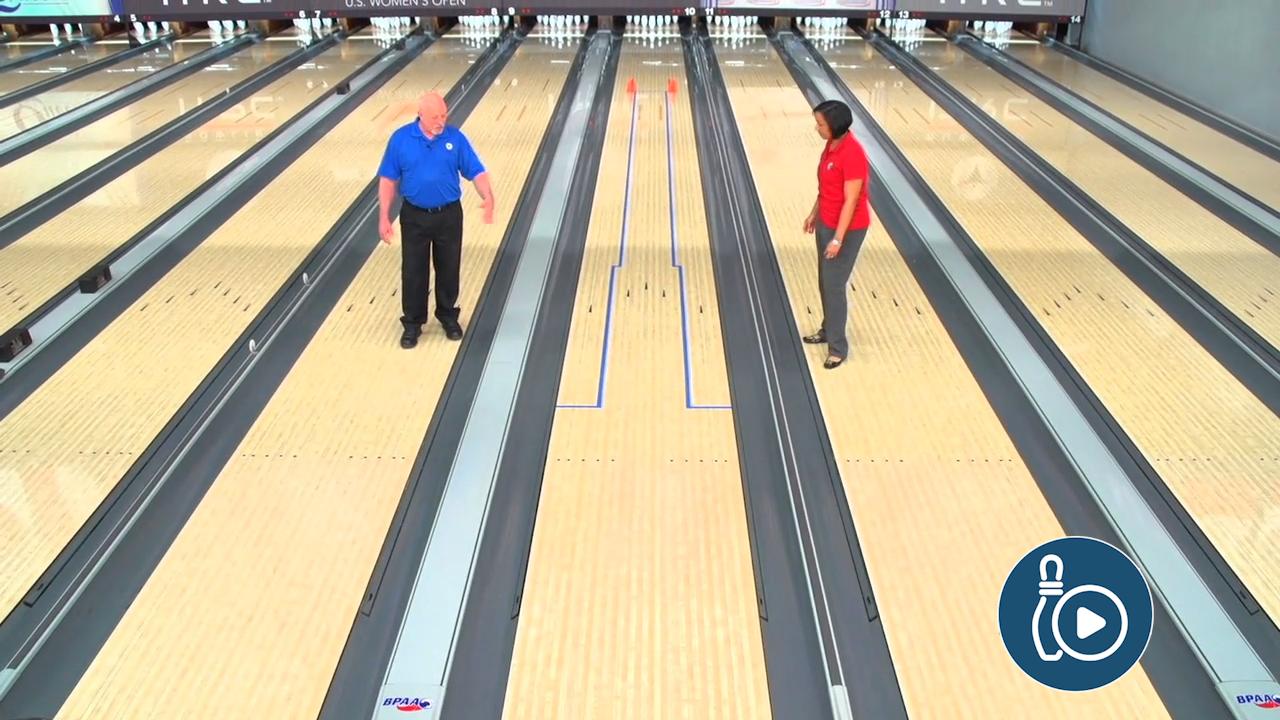
Bowling House Shot Recognizing Oil Patterns National Bowling Academy

Oelung (Pattern) VfB Rheydt 1971 e.V.

Bowling Coach House shot
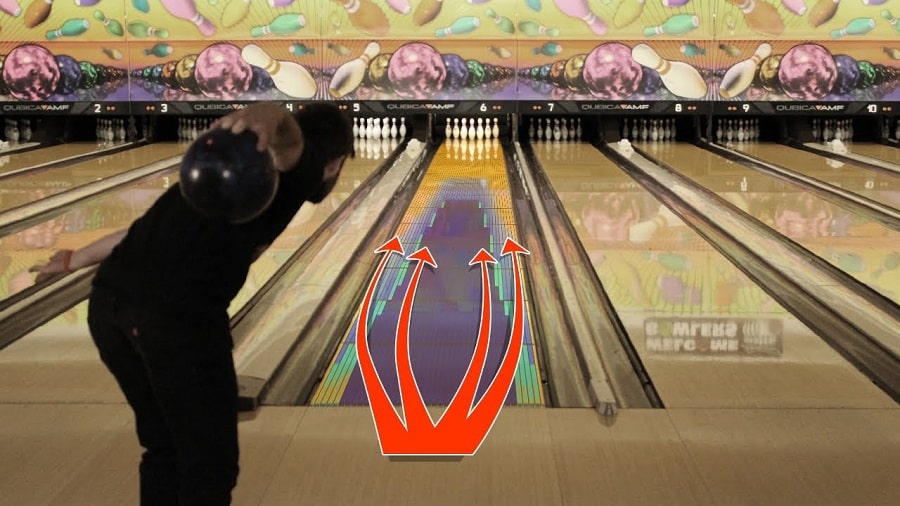
Sport Shot Bowling House Shot or Sport Shot
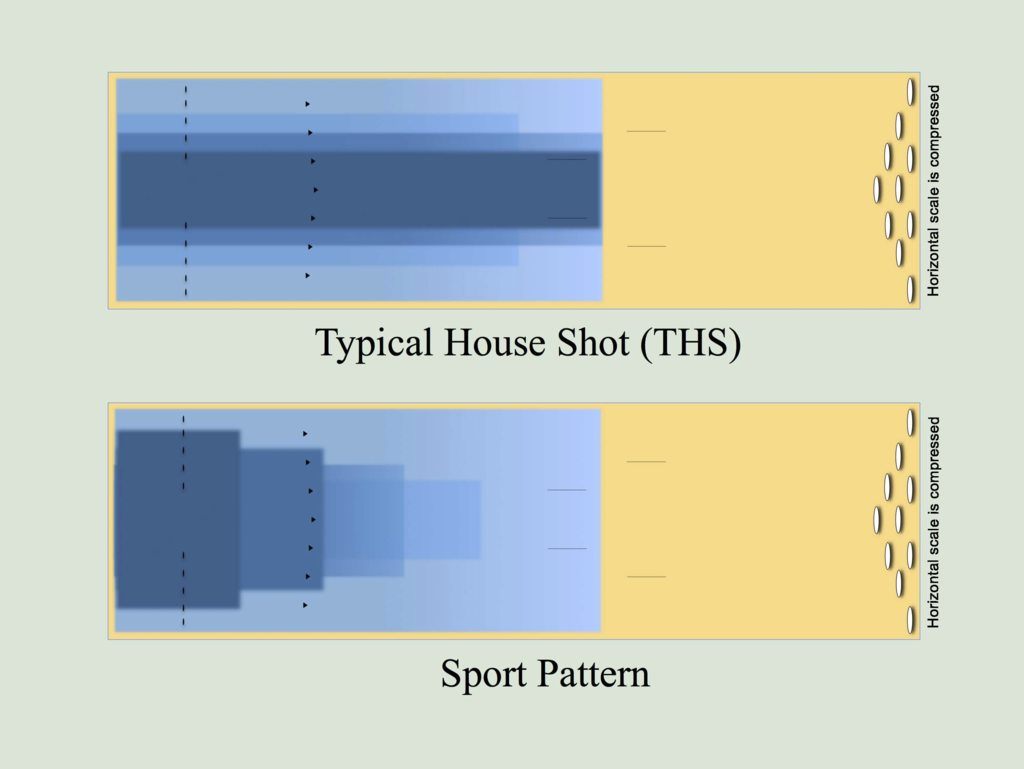
Sport Shot Bowling What Is It, Oil Patterns, Shots, and More

practicing on a house shot first. then moved over to practice on PBA

Bowling House Shot Recognizing Oil Patterns (With images) Bowling

How is a Bowling House Shot Oil Condition Different than a Sport Shot
Its Forgiving Nature Leads To Better Scores For Bowlers Of All Skill Sets.
Web Knowing The Pattern Distance Can Help Determine Where The Ball Needs To Be When It Reacts Toward The Pocket.
Web Some Of The Main Things To Look At On The Oil Pattern Sheet Are The Pattern Length, Total Volume Of Oil, The 2 To 2 Loads And The Ratios.
Web The Type Of Oil Pattern Used Will Determine How The Ball Will React As It Rolls Toward The Pins.
Related Post: