
Silverware Patterns Identification
Silverware Patterns Identification - Recognize the pattern of silverware; The book of silver is the updatable reference that has set the new standard for silver flatware references. Track down its global availability. Web for a collector of museum quality silver, tiffany is a basic staple and necessity in pursing exceptionally rare silver pieces. Determine the type of silver used; Web identifying sterling silver patterns 101. Web what is typically brought to auction is silverware patterns, but it’s not uncommon to find reed & barton silver bells, trays/ platters, urns/ planters, tea sets, bowls, baby cups and coffee pots as well. Web today, gorham silver is perhaps best known for its silverware which it produces in hundreds of well known pattens including chantilly (the best selling flatware pattern in the world), strasbourg, melrose, fairfax, and buttercup. A few years back, when i was the ceo of the silver queen, i designed an ultimate sterling. Simply select your manufacturer and then compare your piece to the photos shown. Estimating the value of sterling silver flatware. If you have a set of antique sterling silverware, you might be wondering what the pattern is or if what you have is actually an authentic set of sterling flatware. Below are some common antique and vintage styles and patterns to be aware of, according to the experts, so you can start building your collection from the ground up. Most of the time, you can find the information you're looking for by simply taking a closer look at the teaspoon, fish fork, ice cream saw, or cheese scoop you're eyeing. They are classy, elegant, and timeless. The book of silver is the only available comprehensive system for the identification, research and cataloging of american sterling flatware. There are four basic shapes (or outlines) hanoverian (or. Web identifying sterling silver patterns 101. The book of silver is the updatable reference that has set the new standard for silver flatware references. Web discover the origins of any piece of silver with this visual guide. Recognize the pattern of silverware; The book of silver is the only available comprehensive system for the identification, research and cataloging of american sterling flatware. Web the most comprehensive internet resource for research of silver marks, hallmarks & makers' marks found on antique and vintage silver and silverplate. Find out if your old silverware is valuable with these helpful &. Ascertain the material of the piece; Simply select your manufacturer and then compare your piece to the photos shown. The first thing you’ll want to do is look for the sterling name on the silverware. For sterling flatware, antique cupboard has a handy, searchable directory of patterns. Web what is typically brought to auction is silverware patterns, but it’s not. Check the condition of the piece. Find out how to identify sterling silver flatware trademarks. You can spot precious flatware patterns by their silver walls, intricate meshes, and scrolls. Web identifying antique silverware patterns and popular designs. Web the most comprehensive internet resource for research of silver marks, hallmarks & makers' marks found on antique and vintage silver and silverplate. Web old and rare flatware patterns like pattern 15, melon, or orchid are the most valuable ones today! Pick a type of silverware to focus on; Web to identify antique english silver flatware it is important to know that the vast majority of pieces are made in just a few classic patterns, or a few variants of those patterns. Most. The first thing you’ll want to do is look for the sterling name on the silverware. Web silver marks & patterns. 5 tips to collect vintage flatware. For sterling flatware, antique cupboard has a handy, searchable directory of patterns. Find out if your old silverware is valuable with these helpful & handy tips. And don’t forget, it’s okay to mix and match sets or incorporate unique pieces to create a look that’s all your own. Identify the hallmark of silversmith; Web today, gorham silver is perhaps best known for its silverware which it produces in hundreds of well known pattens including chantilly (the best selling flatware pattern in the world), strasbourg, melrose, fairfax,. Web identifying sterling silver patterns 101. Simply select your manufacturer and then compare your piece to the photos shown. There are four basic shapes (or outlines) hanoverian (or. Web today, gorham silver is perhaps best known for its silverware which it produces in hundreds of well known pattens including chantilly (the best selling flatware pattern in the world), strasbourg, melrose,. And don’t forget, it’s okay to mix and match sets or incorporate unique pieces to create a look that’s all your own. They are classy, elegant, and timeless. Web finding your pattern. Web antique cupboard is the place to find sterling silver flatware, and silverware. Once you know the silver content and the manufacturer, you can determine the pattern of. Collect multiple patterns from different eras; Web how to identify antique silverware. Also, look for the brand names and signs at the base! Once you know the silver content and the manufacturer, you can determine the pattern of your piece or set. Ascertain the material of the piece; One of the biggest selling points to owning wallace sterling silverware is its signature appearance. Check the condition of the piece. Web silver marks & patterns. And don’t forget, it’s okay to mix and match sets or incorporate unique pieces to create a look that’s all your own. Recognize the pattern of silverware; Web old and rare flatware patterns like pattern 15, melon, or orchid are the most valuable ones today! For sterling flatware, antique cupboard has a handy, searchable directory of patterns. Recognize the pattern of silverware; Pick a type of silverware to focus on; Web what is typically brought to auction is silverware patterns, but it’s not uncommon to find reed & barton silver bells, trays/ platters, urns/ planters, tea sets, bowls, baby cups and coffee pots as well. Collect multiple patterns from different eras; Ascertain the material of the piece; There are four basic shapes (or outlines) hanoverian (or. Find out how to identify sterling silver flatware trademarks. Web however with so many options out there, there are several different methods of identifying vintage and antique silverware. Web choosing the right flatware is all about finding something that feels comfortable, suits your lifestyle, and reflects your personal taste. By scott & june martin. Estimating the value of sterling silver flatware. Web the most comprehensive internet resource for research of silver marks, hallmarks & makers' marks found on antique and vintage silver and silverplate. Simply select your manufacturer and then compare your piece to the photos shown. Most of the time, you can find the information you're looking for by simply taking a closer look at the teaspoon, fish fork, ice cream saw, or cheese scoop you're eyeing.
Some 19th Century Flatware Patterns For the Home Sterling silver

Identification Silver Plate Pattern Chart
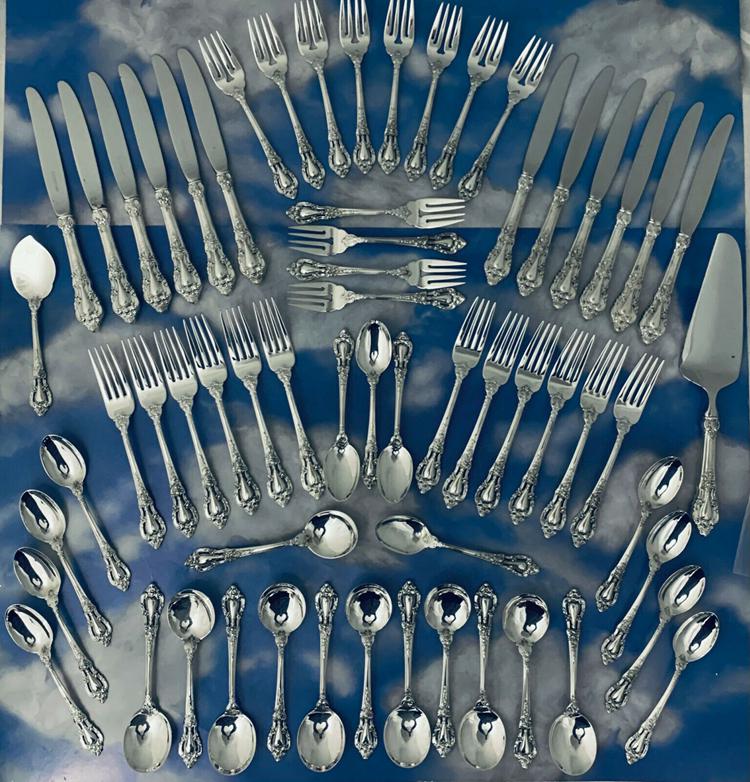
10 Most Valuable Sterling Silver Flatware Patterns Value Guide

How To Identify Silverware Patterns

Rogers Stainless Flatware Pattern Identification Getideas

How To Identify Silverware Patterns

Some 19th Century Flatware Patterns Flatware patterns, Sterling

silver plate pattern chart Google Search Oneida Silverware, Oneida

Identification Silver Plate Pattern Chart

Identification for Flatware, Dinnerware and Stemware Patterns My
Check The Condition Of The Piece.
Web We Carry Over 500 Patterns So Grab A Spoon And Find Your Pattern!
A Few Years Back, When I Was The Ceo Of The Silver Queen, I Designed An Ultimate Sterling.
Web Finding Your Pattern.
Related Post: