
Traditional Patterns Of Africa
Traditional Patterns Of Africa - These patterns are not only decorative but also serve as a means of storytelling, conveying myths, rituals, and traditions from generation to generation. Their rhythmic nature, geometric precision, and symbolic motifs make them a unique and captivating form of artistic expression. Web from the intricate patterns of kente cloth to the symbolic beadwork of the maasai, each garment is a testament to the continent’s diverse heritage. Web traditional african prints trace their roots back to various regions across the continent, including west africa, east africa, and central africa. Web in africa you can tell where a person is from by just looking at their attire. Social status, lineage, spiritual beliefs and are a powerful cultural identity. Web today, kenya’s traditional patterns continue to play a pivotal role in the country’s cultural expression, bridging the gap between the past and the present. They were traditionally used for costumes and mats for. The iconic wax prints, for example, have a complex history intertwined with. Web if you follow black women’s fashion trends, you’re familiar with african prints—those bold, beautiful designs that give women’s clothing a decidedly afrocentric vibe. In this blog post, we'll be exploring the unique history of different styles of african prints, as well as what shape and form these traditional prints have taken here at ade + ayo! These textiles hold cultural significance and also have significance as historical documents of african design. These patterns are not only decorative but also serve as a means of storytelling, conveying myths, rituals, and traditions from generation to generation. It is found over much of northern africa and eastward to the horn of africa. Web the people of the bakuba kingdom (in present day democratic republic of congo), found along river kasai, weave these cloths from palm fibres. As african fashion continues to evolve, it remains a powerful expression of pride and a window into the rich tapestry of african cultures. Web in nature, and all around us in africa, there are patterns that can be visualised or conceptualised. Across africa, there are many distinctive styles, techniques, dyeing methods, and decorative and functional purposes. Web at ade + ayo, we have taken the traditional styles and prints of africa and created our own unique prints to pay tribute to these beautiful styles. The iconic wax prints, for example, have a complex history intertwined with. These patterns are not only decorative but also serve as a means of storytelling, conveying myths, rituals, and traditions from generation to generation. This unique textile, originating from the ashanti people of ghana, is known for its vibrant colors and complex designs. Web traditional african prints trace their roots back to various regions across the continent, including west africa, east. Patterns found in traditional huts, often woven from natural materials, embody a connection to the land and ancestral building techniques. Web african art patterns hold a special place in african culture, representing a deep connection to ancestral heritage and cultural identity. It is found over much of northern africa and eastward to the horn of africa. Web textiles are the. Web influenced by its rich culture, history and traditions, african fabrics are known worldwide for their bold designs, creative patterns and being able to use bright colour stories unapologetically. The names of these fabrics mostly come from ghana where the practice is almost traditional. Only in the last quarter of the 20th century has this art form received scholarly and. Web today, kenya’s traditional patterns continue to play a pivotal role in the country’s cultural expression, bridging the gap between the past and the present. Learn more about the history and characteristics of african art in this article. On the land, observations of botanical items like leaves, trees, thorns, pods and seeds reveal elegant shapes, lines and patterning. The history,. The names of these fabrics mostly come from ghana where the practice is almost traditional. Web learn about african fabric patterns. Web influenced by its rich culture, history and traditions, african fabrics are known worldwide for their bold designs, creative patterns and being able to use bright colour stories unapologetically. Web traditional african prints trace their roots back to various. Web from the vibrant and intricate patterns to the symbolic meanings behind each garment, african traditional attire truly captivates the eye and resonates with the soul. Web the people of the bakuba kingdom (in present day democratic republic of congo), found along river kasai, weave these cloths from palm fibres. Web in nature, and all around us in africa, there. The history, beliefs, politics, fashions, status and aspirations of people are communicated through the colours and. They have embraced fabric as a way of celebrating life. Web african textiles are textiles from various locations across the african continent. Web learn about african fabric patterns. Web textiles are the most obvious visible signifier of culture throughout africa. On the land, observations of botanical items like leaves, trees, thorns, pods and seeds reveal elegant shapes, lines and patterning. Semitic (including arabic, amharic, and tigrinya), egyptian (extinct), amazigh (berber), cushitic, chadic (e.g., hausa), and omotic. Web from the vibrant and intricate patterns to the symbolic meanings behind each garment, african traditional attire truly captivates the eye and resonates with. Across africa, there are many distinctive styles, techniques, dyeing methods, and decorative and functional purposes. Web traditional african prints trace their roots back to various regions across the continent, including west africa, east africa, and central africa. Web african textiles are textiles from various locations across the african continent. The names of these fabrics mostly come from ghana where the. Web african art patterns hold a special place in african culture, representing a deep connection to ancestral heritage and cultural identity. These patterns are not only decorative but also serve as a means of storytelling, conveying myths, rituals, and traditions from generation to generation. On the land, observations of botanical items like leaves, trees, thorns, pods and seeds reveal elegant. As african fashion continues to evolve, it remains a powerful expression of pride and a window into the rich tapestry of african cultures. These textiles hold cultural significance and also have significance as historical documents of african design. The iconic wax prints, for example, have a complex history intertwined with. This unique textile, originating from the ashanti people of ghana, is known for its vibrant colors and complex designs. Web from the vibrant and intricate patterns to the symbolic meanings behind each garment, african traditional attire truly captivates the eye and resonates with the soul. These patterns are not only decorative but also serve as a means of storytelling, conveying myths, rituals, and traditions from generation to generation. Web influenced by its rich culture, history and traditions, african fabrics are known worldwide for their bold designs, creative patterns and being able to use bright colour stories unapologetically. They have embraced fabric as a way of celebrating life. Web african art patterns hold a special place in african culture, representing a deep connection to ancestral heritage and cultural identity. In this blog post, we'll be exploring the unique history of different styles of african prints, as well as what shape and form these traditional prints have taken here at ade + ayo! Web african patterns carry deep significance: They were traditionally used for costumes and mats for. Social status, lineage, spiritual beliefs and are a powerful cultural identity. Web african textiles are textiles from various locations across the african continent. On the land, observations of botanical items like leaves, trees, thorns, pods and seeds reveal elegant shapes, lines and patterning. It is also a way for people to connect with their cultural heritage and express their individuality.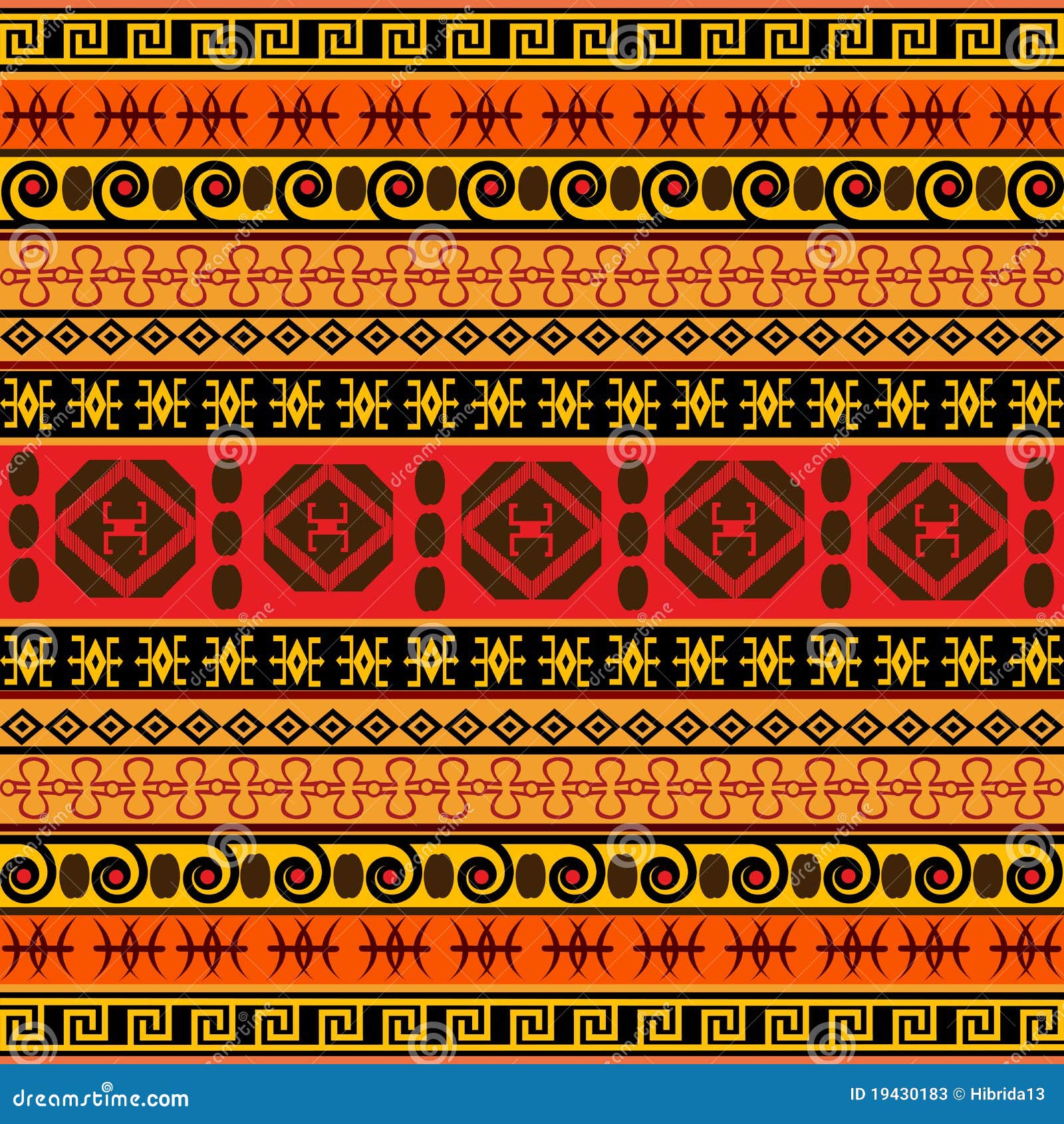
Traditional African Pattern Stock Photos Image 19430183

Image result for somali textiles African pattern design, African

Estampas africanas, Padrões africanos, Estampas tribais

African Print Fabric/ Ankara Orange, Brown, Red, Navy 'Yaoundé

EA2012C_639 African pattern design, Pattern art, African pattern

2 Yards of Original African Fabric from the SHAMASH & Sons
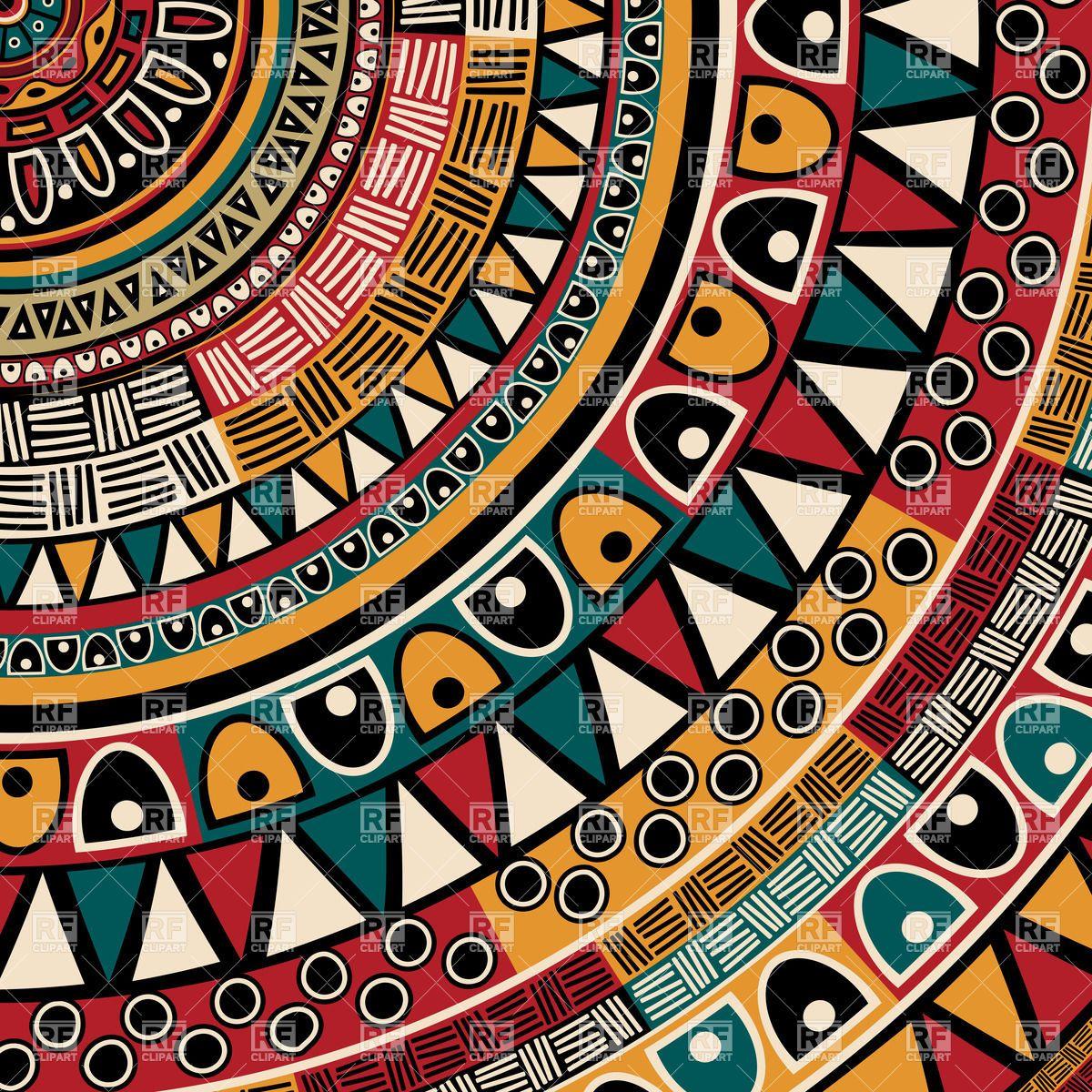
African Pattern Wallpapers Top Free African Pattern Backgrounds

African zulu decorative pattern for the Royalty Free Vector
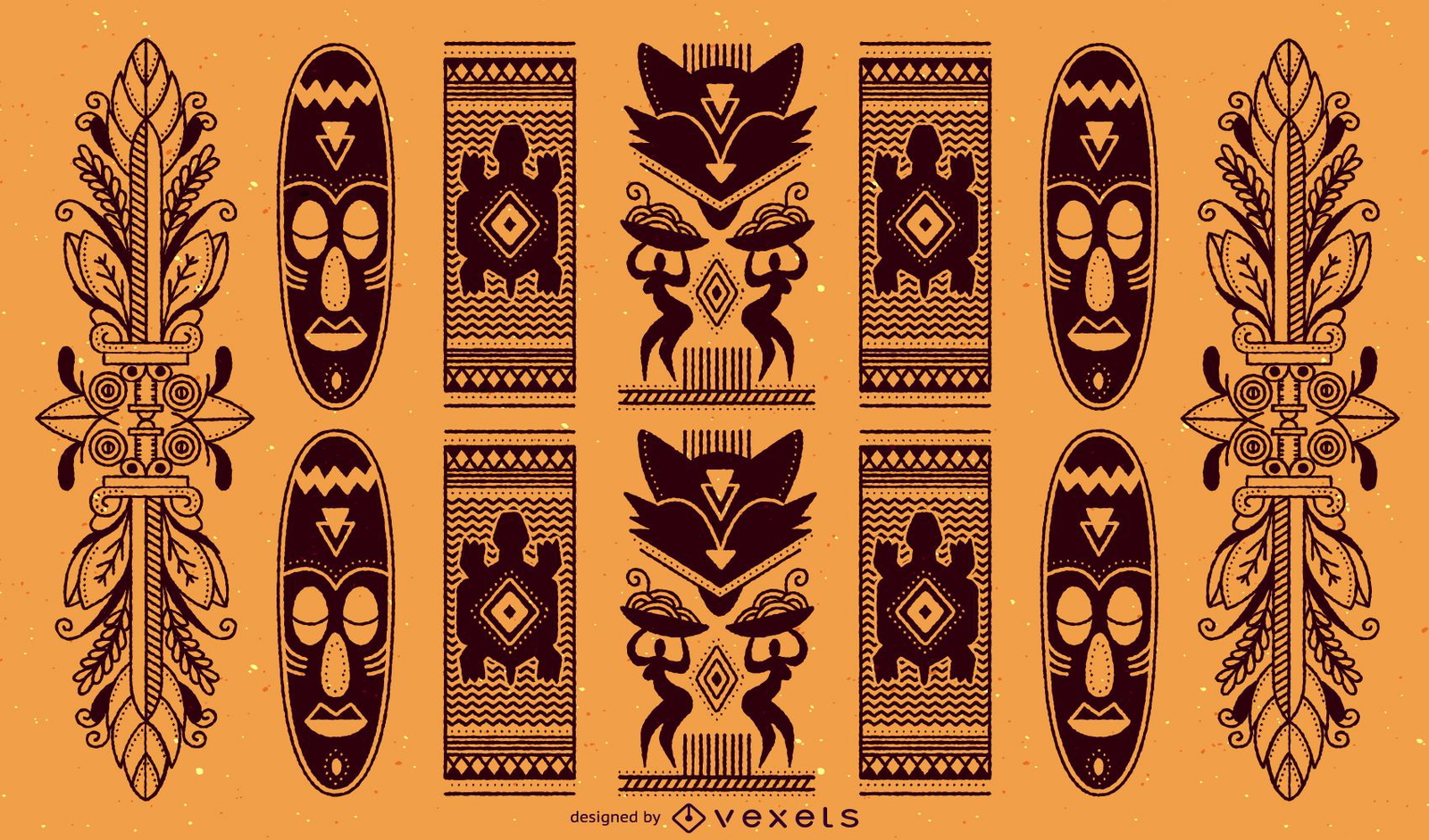
Traditional African Patterns And Designs

African tribal ethnic pattern traditional Design. Seamless African
Patterns Found In Traditional Huts, Often Woven From Natural Materials, Embody A Connection To The Land And Ancestral Building Techniques.
Web The People Of The Bakuba Kingdom (In Present Day Democratic Republic Of Congo), Found Along River Kasai, Weave These Cloths From Palm Fibres.
Semitic (Including Arabic, Amharic, And Tigrinya), Egyptian (Extinct), Amazigh (Berber), Cushitic, Chadic (E.g., Hausa), And Omotic.
Web Traditional African Prints Trace Their Roots Back To Various Regions Across The Continent, Including West Africa, East Africa, And Central Africa.
Related Post: