
Wwii Camo Patterns
Wwii Camo Patterns - Web describing all usn camouflage measures listed in the camouflage measures section of this website. These patterns were issued both to the bundesgrenzschutz (federal border guards) and the bundeswehr (german army), although the army versions were produced in greater numbers. Between 1931 and 1945, the germans created at least 14 different patterns and produced many of them in two or more colour variants. Web explore authentic us army world war 2 camouflage pattern stock photos & images for your project or campaign. The german armed forces (wehrmacht) were the first military to issue camouflage widely. Web frog skin, also known as duck hunter, is a battledress camouflage pattern with mottle and disruptive coloration to blend into the environment similar to a frog's crypsis skin. Some camouflage methods served both purposes. Web german world war ii camouflage patterns formed a family of disruptively patterned military camouflage designs for clothing, used and in the main designed during the second world war. Here you'll find fantastic new guides to the camo patterns and colours of wwii. Web artizan designs' wwii painting & camo guide. Web during world war ii, the german military utilized various types of camouflage patterns for their uniforms, equipment, and vehicles. Web unofficial and experimental german camouflage patterns. Web describing all usn camouflage measures listed in the camouflage measures section of this website. Web frog skin, also known as duck hunter, is a battledress camouflage pattern with mottle and disruptive coloration to blend into the environment similar to a frog's crypsis skin. The heer, luftwaffe, and fallchirmjäger were not the only forces that were equipped with special camo patterns. A three color camouflage design consisting of dark russet and green blobs on a dark ochre background seems emerged for use on german tanks circa 1934. One of the last camouflage patterns implemented by the german army during ww2 was developed by german engineer helmut leiber, known as leibermuster. Web during the 1950s and 1960s primarily, germany produced several variations of the ww2 era splittermuster designs. Camouflage patterns of the wehrmacht were regulated by army communiqués (heeresmitteilung) issued throughout the war. German world war ii camouflage patterns. Web introduction to german world war 2 patterns. The german armed forces (wehrmacht) were the first military to issue camouflage widely. Web the development of camouflage patterns specifically for military application by american forces can be traced to the first world war. General painting hints & tips. One of the last camouflage patterns implemented by the german army during ww2. Web during world war ii, the german military utilized various types of camouflage patterns for their uniforms, equipment, and vehicles. Web german world war ii camouflage patterns formed a family of disruptively patterned military camouflage designs for clothing, used and in the main designed during the second world war. Web in 2016, the bundeswehr research institute for materials and operating. Starting from 1932, all units received some camouflaged items. Web introduction to german world war 2 patterns. These patterns were issued both to the bundesgrenzschutz (federal border guards) and the bundeswehr (german army), although the army versions were produced in greater numbers. Web for many years it has been known that the numbered patterns were designed specifically for shelter quarters. The german armed forces (wehrmacht) were the first military to issue camouflage widely. Like her british and french allies, military engineers experimented with a number of designs for hiding reconnaissance personnel and snipers employed along the frontiers. Web in 2016, the bundeswehr research institute for materials and operating materials (wiweb) developed a universal camouflage following the lead of many allies. Camouflage patterns of the wehrmacht were regulated by army communiqués (heeresmitteilung) issued throughout the war. Some camouflage methods served both purposes. Web during the 1950s and 1960s primarily, germany produced several variations of the ww2 era splittermuster designs. Like her british and french allies, military engineers experimented with a number of designs for hiding reconnaissance personnel and snipers employed along. All of these have been created by and are copyright of mick farnworth. Web explore authentic us army world war 2 camouflage pattern stock photos & images for your project or campaign. General painting hints & tips. One of the last camouflage patterns implemented by the german army during ww2 was developed by german engineer helmut leiber, known as leibermuster.. Web unofficial and experimental german camouflage patterns. The first pattern, splittertarnmuster (splinter camouflage pattern), was designed in 1931 and was initially intended for zeltbahn shelter halves. Like her british and french allies, military engineers experimented with a number of designs for hiding reconnaissance personnel and snipers employed along the frontiers. Web german world war ii camouflage patterns formed a family. Between 1931 and 1945, the germans created at least 14 different patterns and produced many of them in two or more colour variants. All of these have been created by and are copyright of mick farnworth. General painting hints & tips. Web during the 1950s and 1960s primarily, germany produced several variations of the ww2 era splittermuster designs. Web german. General painting hints & tips. Web german world war ii camouflage patterns formed a family of disruptively patterned military camouflage designs for clothing, used and in the main designed during the second world war. Here you'll find fantastic new guides to the camo patterns and colours of wwii. Web frog skin, also known as duck hunter, is a battledress camouflage. Here you'll find fantastic new guides to the camo patterns and colours of wwii. The best source for us navy world war two camouflage information. General painting hints & tips. Web we break down the most historically significant military camo patterns of the last 100 years and how designers use them today. Camouflage patterns of the wehrmacht were regulated by. The m1942 frog skin pattern was the united states military's first attempt at disruptive coloration camouflage. Web describing all usn camouflage measures listed in the camouflage measures section of this website. Web explore authentic us army world war 2 camouflage pattern stock photos & images for your project or campaign. The best source for us navy world war two camouflage information. Starting from 1932, all units received some camouflaged items. Web for many years it has been known that the numbered patterns were designed specifically for shelter quarters with the cutting pattern for the triangular main panels actually incorporated in the camouflage design. Some camouflage methods served both purposes. The first pattern, splittertarnmuster (splinter camouflage pattern), was designed in 1931 and was initially intended for zeltbahn shelter halves. Web we break down the most historically significant military camo patterns of the last 100 years and how designers use them today. A three color camouflage design consisting of dark russet and green blobs on a dark ochre background seems emerged for use on german tanks circa 1934. Web german world war ii camouflage patterns formed a family of disruptively patterned military camouflage designs for clothing, used and in the main designed during the second world war. Web introduction to german world war 2 patterns. The first pattern, splittertarnmuster, was designed in 1931 and was initially intended for zeltbahn shelter halves. All of these have been created by and are copyright of mick farnworth. Web artizan designs' wwii painting & camo guide. German world war ii camouflage patterns.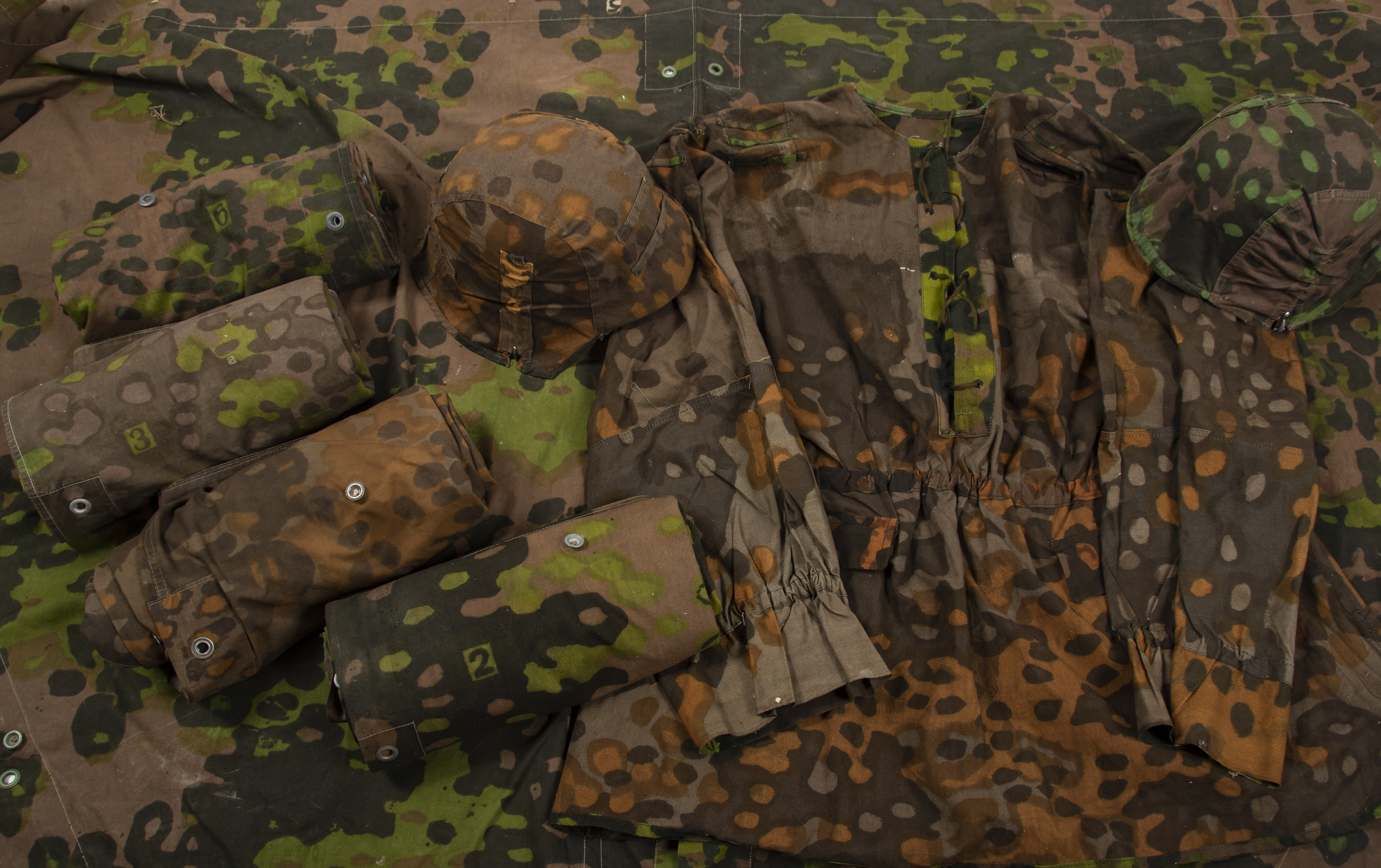
german camouflage patterns ww2 lineartdrawingsplantsface

Camo WWII by Tounushi on DeviantArt
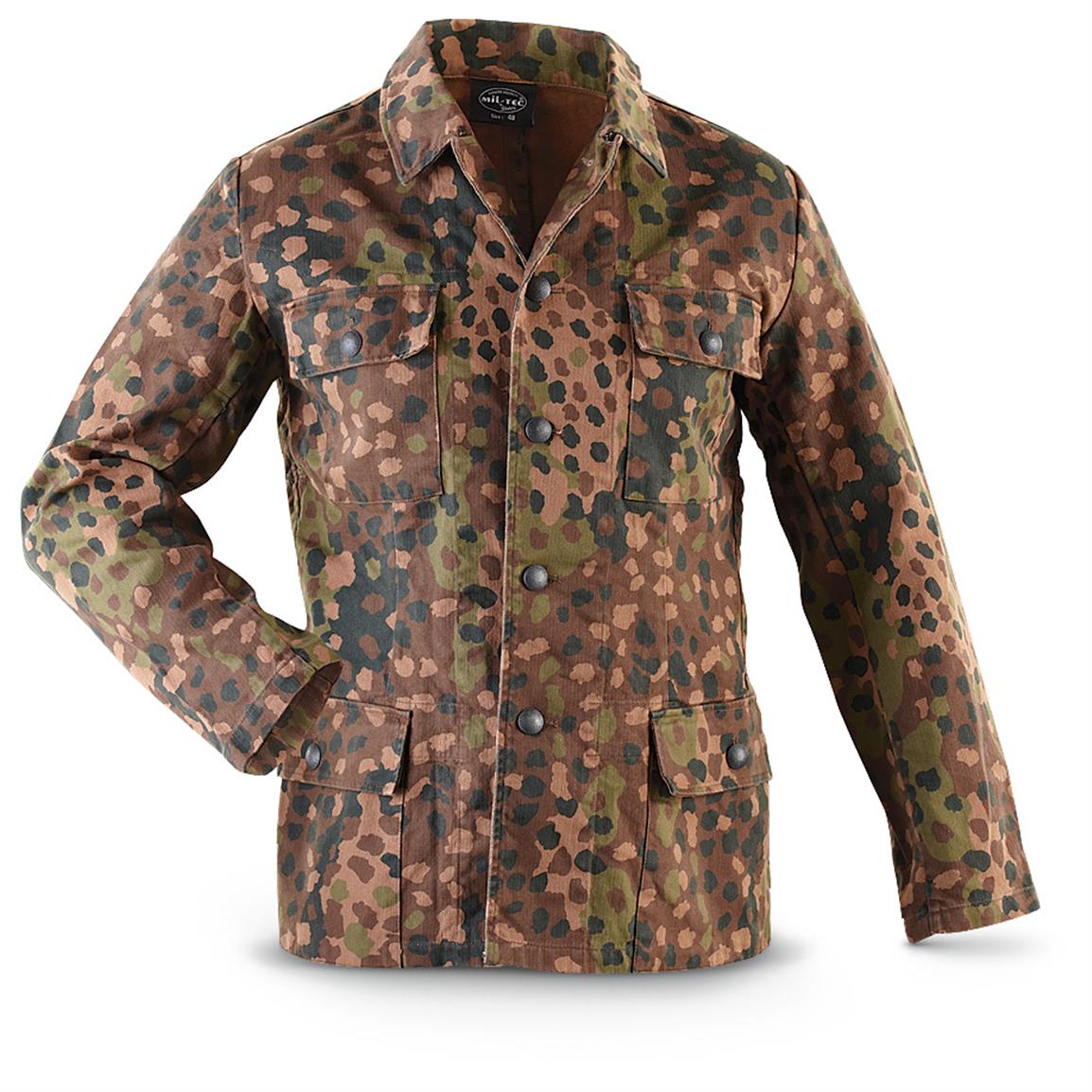
German Wwii Camo Patterns

Pin on Camoflage
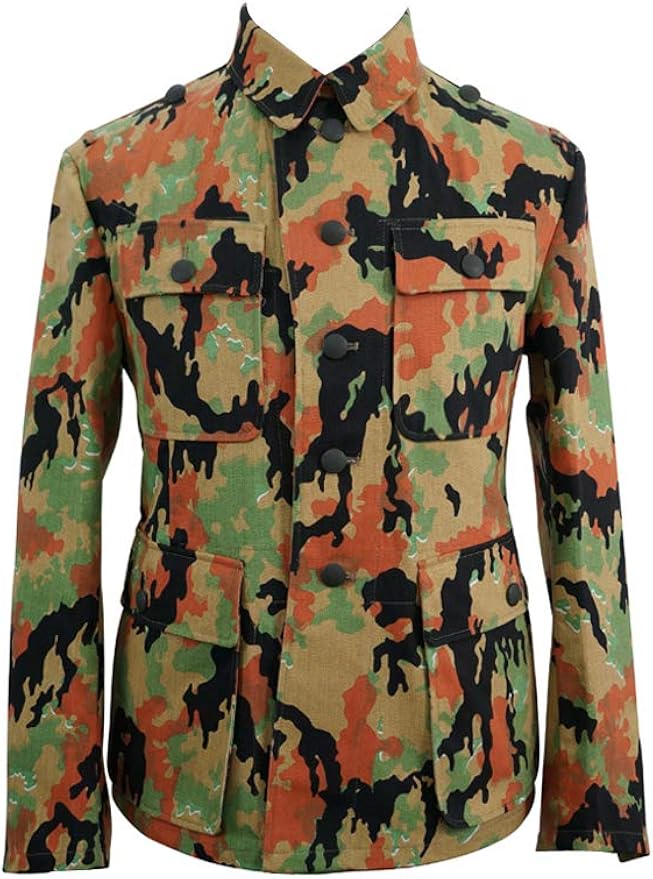
militaryharbor WW2 WWII German Elite leibermuster camo M43

Épinglé sur ww2 refs
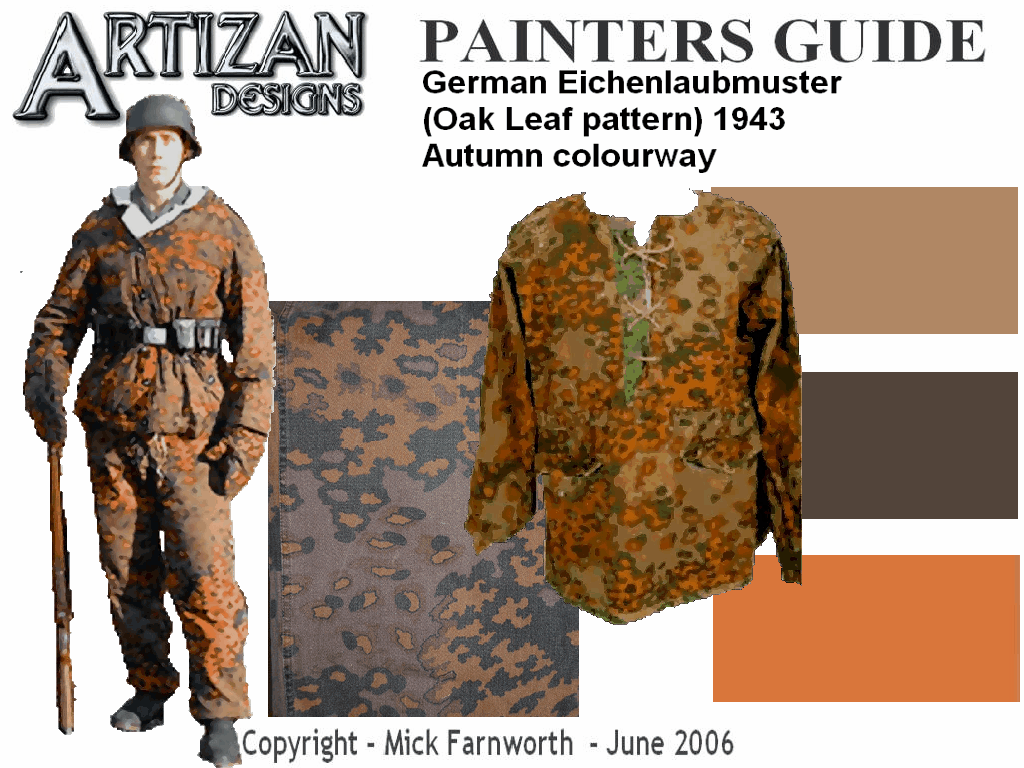
Artizan Designs' WWII Painting & Camo Guide
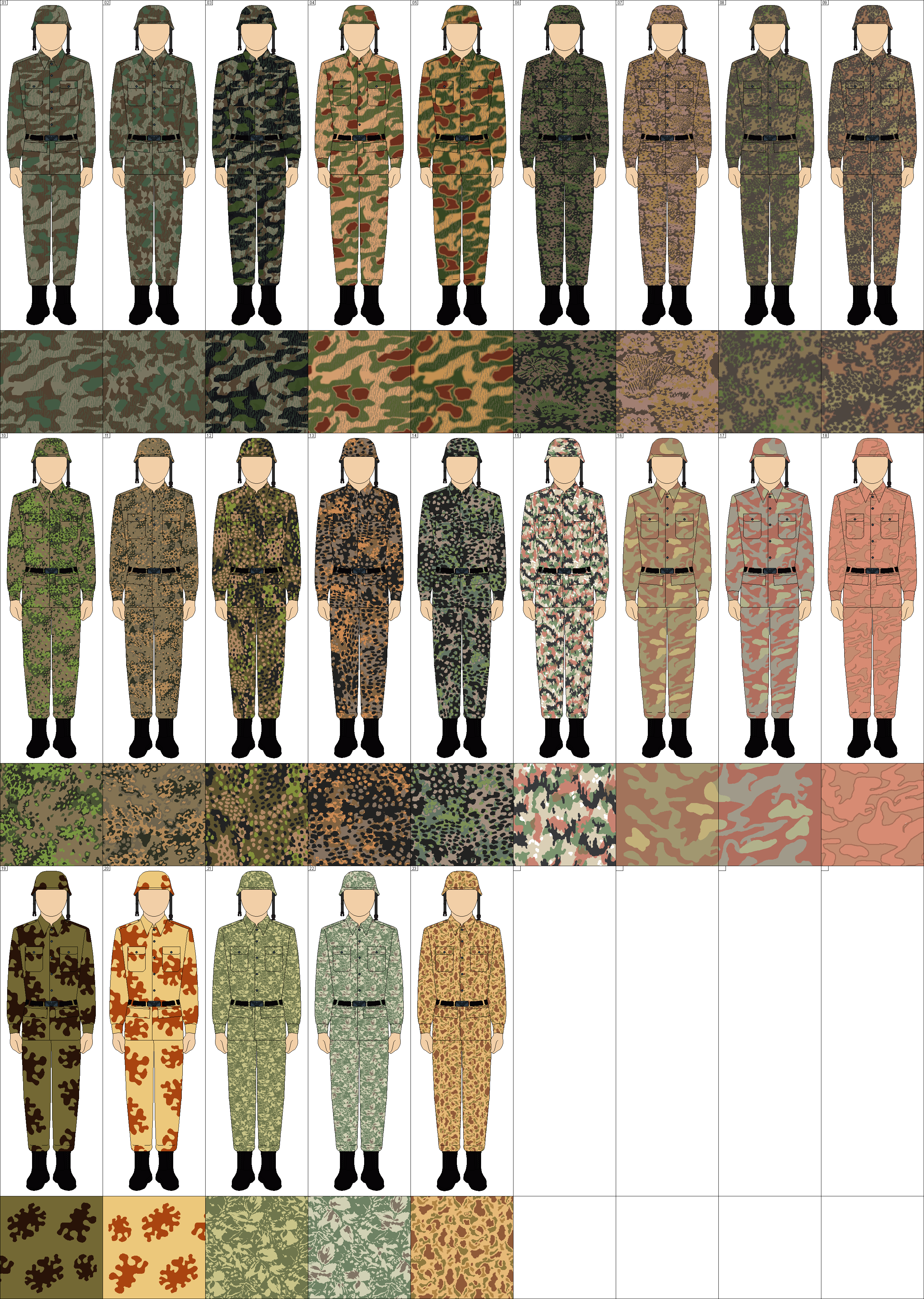
Camo WWII 2.0 by Tounushi on DeviantArt

German WW2 Camo Patterns
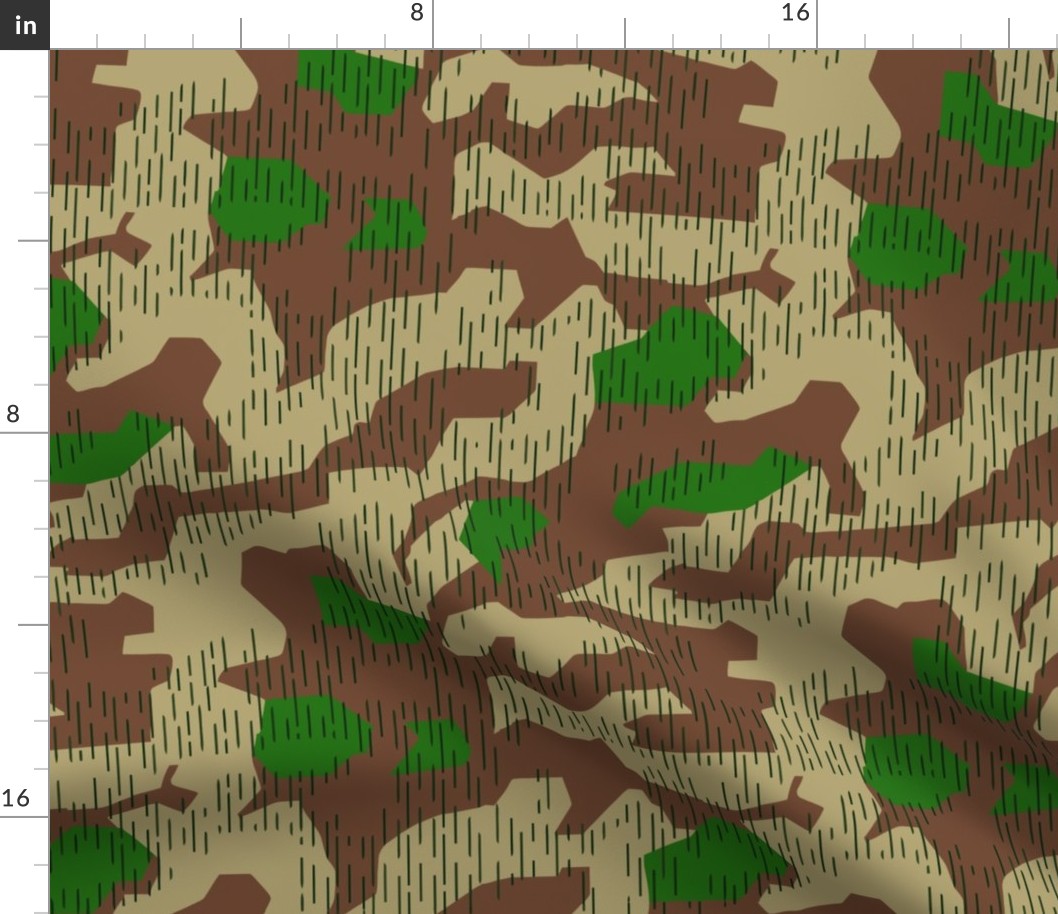
German WWII Splinter CAMO Fabric Spoonflower
Web Research Continued Through World War Ii To (1) Reduce Visibility By Painting Vertical Surfaces To Harmonize With The Horizon And Horizontal Surfaces To Blend With The Sea, Or (2) Confuse Identity And Course By Painting Obtrusive Patterns On Vertical Surfaces.
Less Searching, More Finding With Getty Images.
Web German World War Ii Camouflage Patterns Formed A Family Of Disruptively Patterned Military Camouflage Designs For Clothing, Used And In The Main Designed During The Second World War.
These Patterns Were Issued Both To The Bundesgrenzschutz (Federal Border Guards) And The Bundeswehr (German Army), Although The Army Versions Were Produced In Greater Numbers.
Related Post: